- What Are Carpet Tiles?
- Benefits of Carpet Tiles
- 1. Ease of Installation
- 2. Design Flexibility
- 3. Durability for High-Traffic Areas
- 4. Easy Maintenance and Replacement
- 5. Cost-Effectiveness
- 6. Sound and Thermal Insulation
- 7. Sustainability
- 8. Adaptability for Unique Spaces
- Considerations When Choosing Carpet Tiles
- 1. Visible Seams
- 2. Comfort Underfoot
- 3. Wear and Tear
- 4. Moisture Sensitivity
- 5. Maintenance Commitment
- When Should You Choose Carpet Tiles?
- Tips for Choosing and Installing Carpet Tiles
- Conclusion
Carpet tiles, also known as modular carpets or carpet squares, are an increasingly popular flooring option for both residential and commercial spaces. Their versatility, durability, and ease of maintenance make them an attractive choice for many environments. But are they the right fit for your space? This article explores the benefits, considerations, and key factors to help you decide if carpet tiles are the ideal flooring solution for your home, office, or commercial project.
What Are Carpet Tiles?
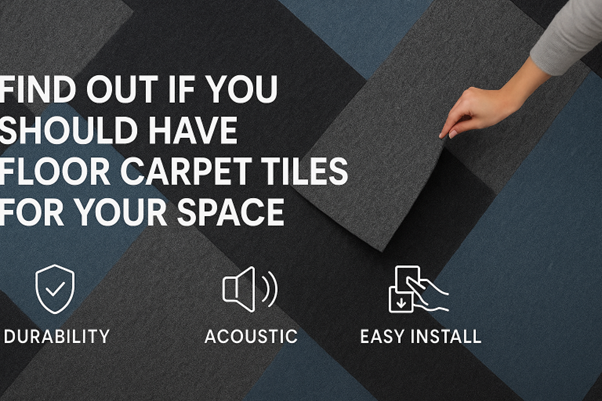
Carpet tiles are pre-cut squares or rectangles of carpeting, typically ranging from 12×12 inches to 24×24 inches, designed to be installed individually. Unlike traditional broadloom carpets, which come in large rolls and require professional installation, carpet tiles are modular, making them easy to install, replace, and customize. They are available in a variety of materials, such as nylon, polyester, wool, or recycled fibers, and come in diverse colors, patterns, and textures to suit different design preferences.
Benefits of Carpet Tiles
Carpet tiles offer a range of advantages that make them suitable for various settings, from busy offices to cozy homes. Here are some key benefits:
1. Ease of Installation
Carpet tiles are designed for simple installation, often requiring no professional help. Many come with peel-and-stick adhesive backing or interlocking systems, allowing homeowners or business owners to install them as a DIY project. This reduces installation costs and downtime, making them ideal for both residential and commercial spaces. For example, tiles can be laid over existing floors like wood or tile without extensive preparation.
2. Design Flexibility
One of the standout features of Carpet floor tiles is their versatility in design. Available in a wide range of colors, patterns, and textures, they allow you to create custom layouts, such as checkerboards, stripes, or unique mosaics. This flexibility is particularly valuable in commercial settings where branding or aesthetic appeal is important, or in homes where you want to add a personalized touch. Some manufacturers even offer shapes like hexagons or triangles for added creativity.
3. Durability for High-Traffic Areas
Carpet tiles are engineered to withstand heavy foot traffic, making them a go-to choice for offices, schools, retail stores, and busy households. Their dense, low-pile construction, often made from durable materials like nylon, resists crushing and matting. Many tiles also feature stain-resistant coatings, ensuring they maintain their appearance even in demanding environments.
4. Easy Maintenance and Replacement
Unlike broadloom carpets, which may require replacing an entire room’s flooring due to a single stain, carpet tiles can be individually removed and replaced. This is a significant advantage in high-traffic areas or homes with kids and pets, where spills and accidents are common. Regular vacuuming and occasional spot cleaning are typically sufficient to keep them looking fresh.
5. Cost-Effectiveness
While carpet tiles may have a higher upfront cost per square meter compared to broadloom carpets, they often prove more economical in the long run. Their ease of installation reduces labor costs, and their modular nature minimizes waste during installation. Additionally, replacing individual tiles instead of an entire carpet saves money on repairs.
6. Sound and Thermal Insulation
Carpet tiles provide excellent acoustic and thermal properties, making them ideal for noisy environments like open-plan offices or classrooms. Their dense structure absorbs sound, reducing echo and creating a quieter space. They also help retain heat, keeping rooms warmer and potentially lowering energy costs, especially in cooler climates.
7. Sustainability
Many carpet tiles are made from recycled materials, such as plastic bottles or fishing nets, and are designed to be recyclable at the end of their lifespan. Their modular design also reduces waste during installation compared to broadloom Nylon carpet tiles, making them an eco-friendly choice.
8. Adaptability for Unique Spaces
Carpet tiles are perfect for irregularly shaped rooms or areas with complex layouts, such as offices with underfloor cabling or ducting. Their small size allows for precise fitting, and they can be easily lifted to access subfloors when needed. This adaptability makes them a practical choice for dynamic environments like conference halls or agile workplaces.
Considerations When Choosing Carpet Tiles
While carpet tiles have numerous benefits, there are some factors to consider to ensure they’re the right fit for your space:
1. Visible Seams
Unlike broadloom carpets, which provide a seamless look, carpet tiles may show visible seams, especially with lighter colors or less precise installation. Some manufacturers offer interlocking or seamless designs to minimize this issue, but it’s worth considering if a uniform appearance is a priority.
2. Comfort Underfoot
Carpet tiles, particularly those designed for commercial use, often have shorter, denser piles, which may feel less plush than broadloom carpets with thick underlay. However, many modern carpet tiles come with cushioned backings to improve comfort, making them suitable for residential spaces like home offices or playrooms.
3. Wear and Tear
While carpet tiles are durable, their adhesive or tape can weaken over time, potentially causing tiles to lift or fray, especially on uneven subfloors. Using high-quality adhesive and ensuring proper subfloor preparation can mitigate this risk. Additionally, tiles with rubber or low-quality backing may deform over time, so opt for high-quality materials like fleece or non-woven fabrics.
4. Moisture Sensitivity
Although some carpet tiles come with moisture-resistant backings, they are not as water-resistant as vinyl or hardwood flooring. In areas prone to spills or flooding, such as basements or bathrooms, carpet tiles may require more frequent replacement. For such spaces, consider tiles specifically designed for moisture resistance.
5. Maintenance Commitment
While carpet tiles are easy to clean, they still require regular vacuuming to prevent dust buildup, especially in high-traffic areas. Neglecting maintenance can affect their appearance and hygiene, as they trap dust and allergens like any carpet. A consistent cleaning routine is essential to maximize their lifespan.
When Should You Choose Carpet Tiles?
Carpet tiles are an excellent choice for a variety of spaces, but they’re particularly well-suited for:
- High-Traffic Areas: Offices, schools, retail stores, and busy households benefit from their durability and easy maintenance.
- Creative Spaces: If you want to experiment with patterns, colors, or custom designs, carpet tiles offer unmatched flexibility.
- Rental Properties or Temporary Spaces: Their portability and ease of replacement make them ideal for rentals, student housing, or temporary offices.
- Home Offices or Playrooms: Carpet tiles provide comfort, safety, and sound insulation, making them great for areas where people spend extended periods standing or playing.
- Environments with Underfloor Access Needs: Offices or conference spaces with cabling or ducting benefit from the ability to lift and replace tiles easily.
However, carpet tiles may not be the best choice for spaces requiring a luxurious, plush feel, such as high-end bedrooms or formal living rooms, where broadloom carpets might be preferred. Similarly, areas with high moisture exposure, like bathrooms, may be better suited to water-resistant flooring options like vinyl.
Tips for Choosing and Installing Carpet Tiles
To ensure carpet tiles work well in your space, consider the following tips:
- Select the Right Material: Nylon tiles are durable and stain-resistant, ideal for high-traffic areas, while wool offers premium softness for residential spaces. Polypropylene is a budget-friendly, synthetic option.
- Prepare the Subfloor: Ensure the subfloor is clean, dry, and level before installation to prevent tiles from lifting. Acclimate tiles to the room’s temperature and humidity for 24 hours prior to laying them.
- Plan the Layout: Start from the center of the room and work outward, using a chalk line to keep rows straight. Test your design with samples to ensure the pattern and colors match your vision.
- Stock Extra Tiles: Purchase 10% more tiles than needed to account for cuts, waste, or future replacements.
- Follow Maintenance Guidelines: Vacuum regularly and follow the manufacturer’s cleaning instructions to maintain appearance and hygiene.
Conclusion
Carpet tiles are a versatile, durable, and cost-effective flooring solution for a wide range of spaces. Their ease of installation, design flexibility, and low maintenance make them particularly appealing for high-traffic areas, creative projects, and environments requiring adaptability. However, considerations like visible seams, comfort levels, and moisture sensitivity should be weighed based on your specific needs.
To determine if carpet tiles are right for your space, evaluate the level of foot traffic, design goals, budget, and maintenance commitment. For high-traffic commercial spaces, rentals, or homes with kids and pets, carpet tiles are often a practical and stylish choice. For luxurious or moisture-prone areas, you may want to explore alternatives like broadloom carpets or vinyl. Visit a trusted flooring retailer, such as Floormart or Carpet Trends, to explore samples and find the perfect carpet tiles for your project.
